Packing list for lightweight hiking
Want to pack lighter while staying prepared? Open our lightweight hiking packing list as a PDF and use it as a checklist before your next trip.
The list draws on what experienced Gröna Bandet hikers actually carry and what they have learned on long mountain journeys. It helps you keep track of what to bring, what it weighs and what can stay at home. The aim is not to carry as little as possible, but to understand why each item is in your backpack.
Tip: weigh each item and record its weight. This makes the heaviest parts easy to spot. A base weight below 7–8 kg can be a useful aim for many trips, but what matters most is that your equipment suits you and the conditions.
→ Open the packing list as a PDF
A packing list helps you choose
A good packing list is not about bringing everything that might be useful. It helps you choose the right equipment for the trip.
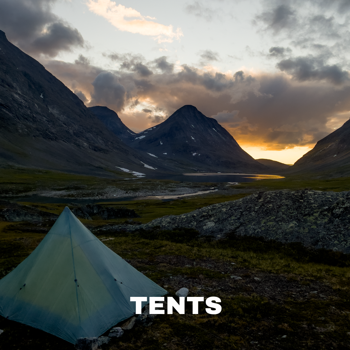
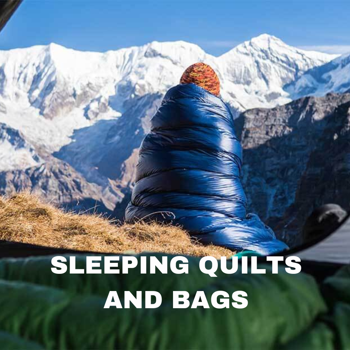
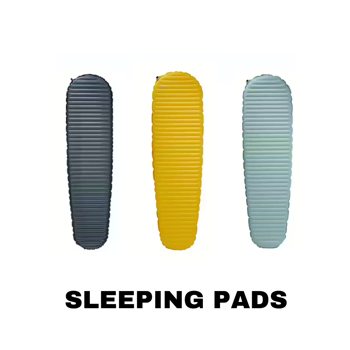
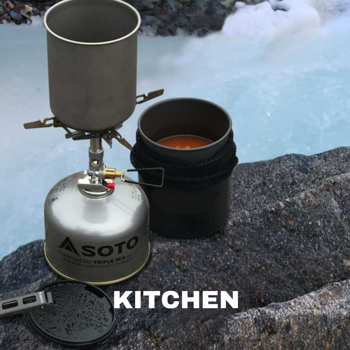
Start with the heaviest items: backpack, tent or tarp, sleeping bag or quilt, and sleeping pad. These often offer the greatest opportunities to reduce weight. Then work through clothing, cooking equipment, water, food, navigation, hygiene, safety and repairs.
Every item should have a clear purpose. If two items do the same job, you can often leave one at home.
From “nice to have” to “do I need it?”
It is easy to pack for too many what-if situations: another top, an extra power bank, too many toiletries or small items that seem reasonable individually but together add weight, bulk and the need for a larger backpack.
Go through your equipment and ask:
- Will I use this on this particular trip?
- Do I already have something else that does the same job?
- What happens if I leave it at home?
- Is it worth the weight?
- Could I solve the problem in a lighter way?
Use the list before and after the trip
Before the trip, the list helps you see what to bring. Afterwards, it is just as valuable.
Mark what you actually used. Items that never left the backpack may be unnecessary next time, while anything you missed can be added. Keep emergency equipment appropriate to the conditions even if you did not need it. Your packing list improves with each trip.
The largest saving often comes from several items you decide not to carry, rather than from replacing one piece of equipment.
Read more before you pack
Want to understand how to pack lighter in practice? Start here:
- Lightweight hiking – the complete guide to packing lighter
- The Big Three under 3 kg
- Common packing mistakes in lightweight hiking
- Best hiking tents 2026
- Best backpacks for Gröna Bandet 2026
- Best sleeping equipment 2026
Lightweight hiking packing questions
What is a good base weight for lightweight hiking?
A common guideline is to aim for a base weight below 7–8 kg: your pack without food, water and fuel. But a suitable base weight depends on the season, weather, experience and the equipment you feel confident using.
Do I have to buy new equipment to pack lighter?
No. Start by weighing what you already own and removing what you do not use. Fewer changes of clothes, better meal planning and avoiding duplicate items can often save considerable weight.
Should I always pack as light as possible?
No. The aim is not the lowest possible weight at any cost. It is a load that is manageable to carry and appropriate for the trip you are taking.
Read more:
The best tents – according to Bandet hikers
How to pack your backpack – lighter and smarter
Sleeping equipment – what really works on Gröna Bandet?
Trail runners or hiking boots? Choosing footwear for a mountain hike
The best stoves for Gröna Bandet – what 88 hikers actually use
Meal planning for mountain hiking – supply parcels or shopping along the way
Common packing mistakes – what experienced hikers leave at home
Lightweight hiking – the complete guide to packing lighter