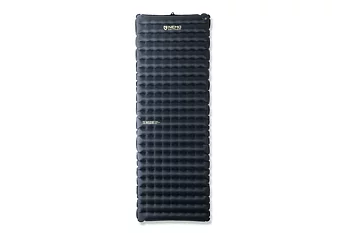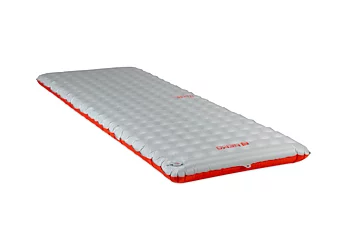
SLEEPING MATS
Ultralight sleeping pads for backpacking and long-distance mountain hikes. Find the right balance of low pack weight, insulation and sleeping comfort.
Ultralight sleeping pads for backpacking
Start with the season and how you sleep
A sleeping pad provides cushioning and reduces heat loss to the ground. Start with summer, three-season or winter use. Cold mountain nights and your own warmth needs may call for more insulation even on a summer trip. R-value describes insulation: a higher value means better insulation. It is not a direct temperature limit.
Inflatable or foam?
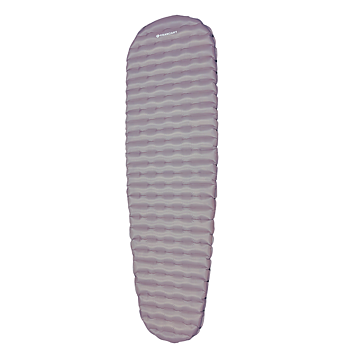
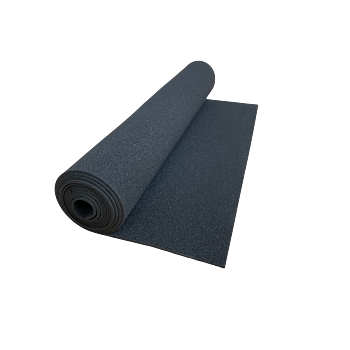
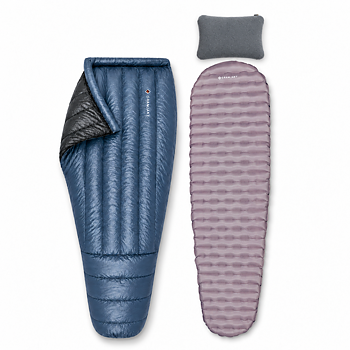
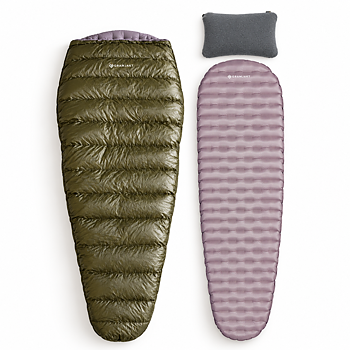
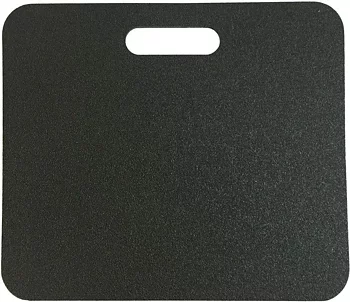
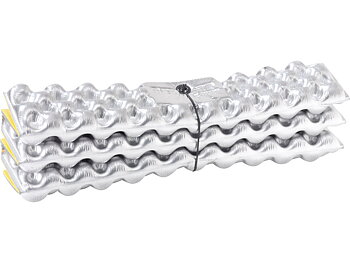
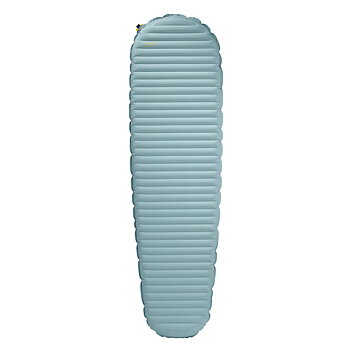
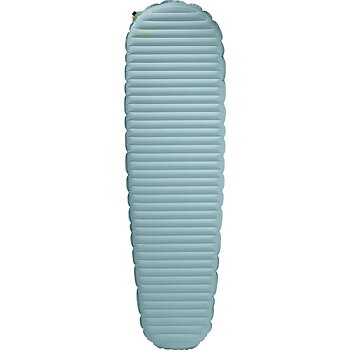
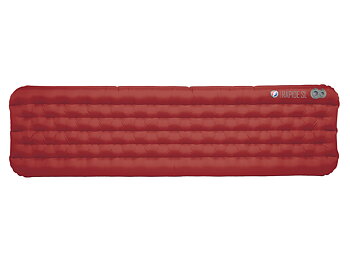
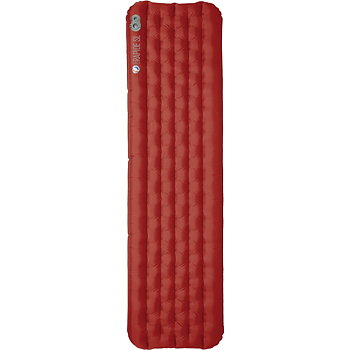
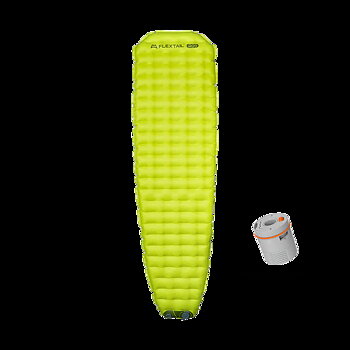
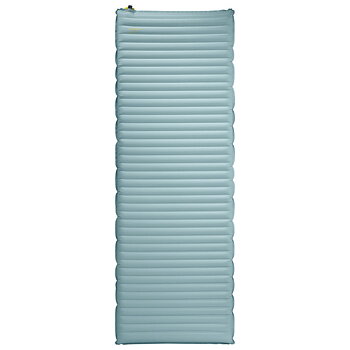
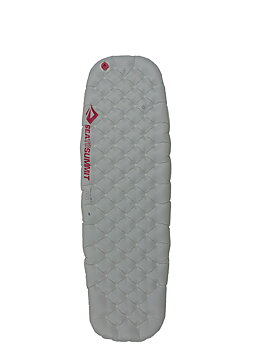
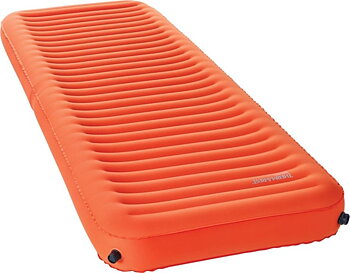
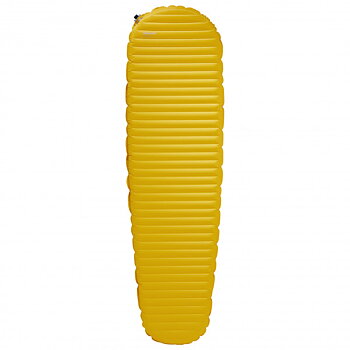
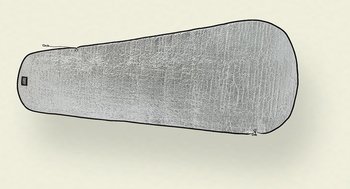
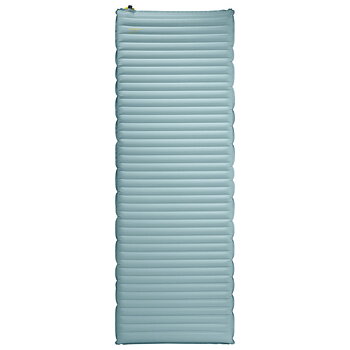
Inflatable sleeping pads often combine good cushioning with a small packed size. Foam mats are simple to use and cannot puncture, but usually take up more room on your pack. A thin foam mat can also complement an inflatable pad. Choose the balance of weight, comfort and durability that suits how you sleep.
Length, width and minimum weight
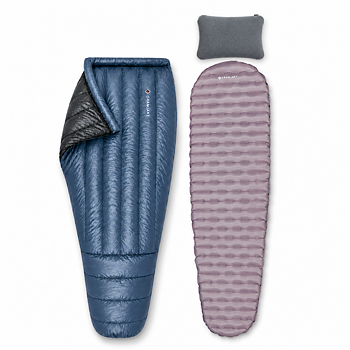
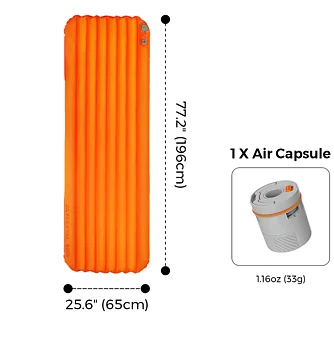
Check the actual dimensions, rather than relying on the size name. Taller hikers, side sleepers and restless sleepers may need extra length or width. Compare the minimum weight of the pad itself, then include the pump sack, stuff sack and repair kit in your total pack weight. Your pad and quilt or sleeping bag need to work together.