
Tents
All tents and accessories
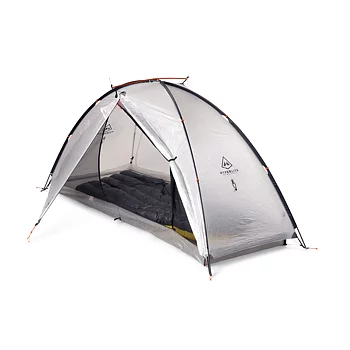


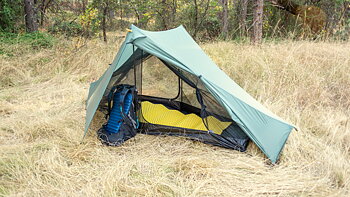
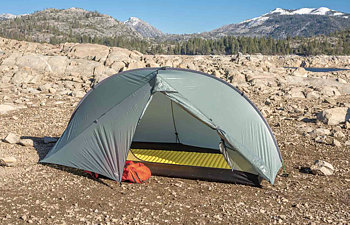
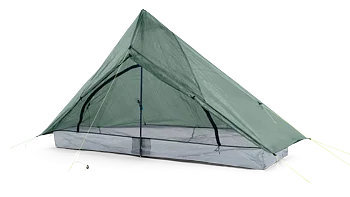

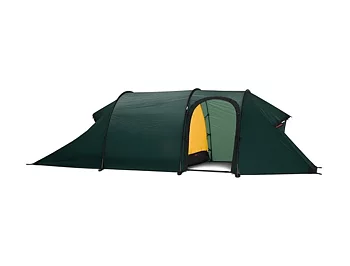
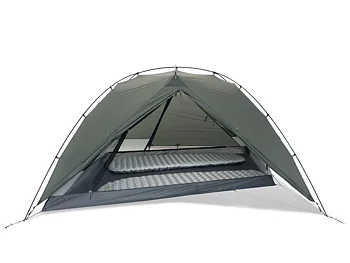
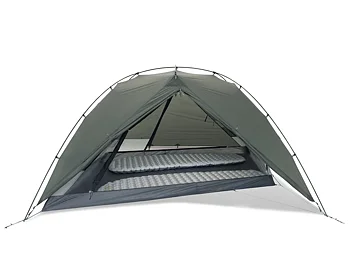
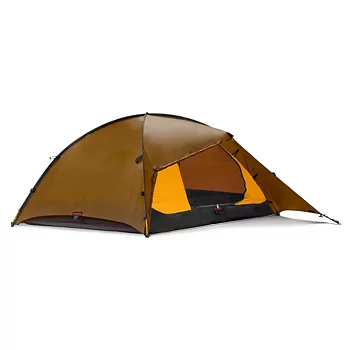

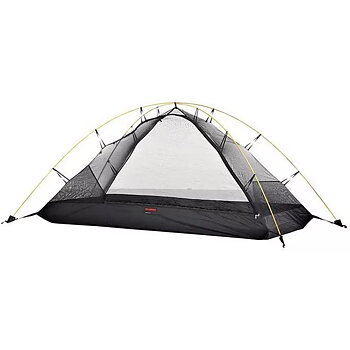
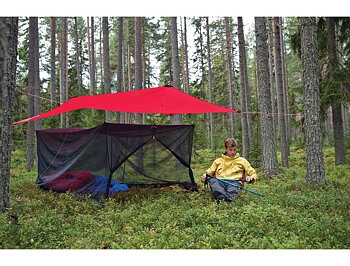
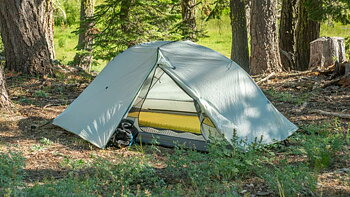
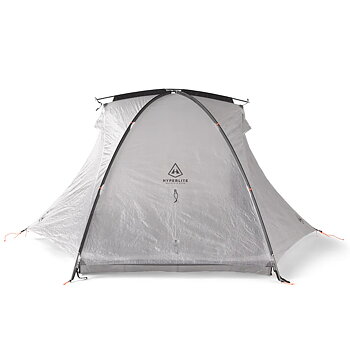


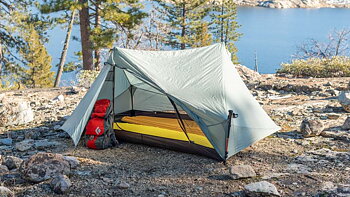
Ultralight Tents
Finding the perfect ultralight tent can be a complicated process and the fact is, ultralight tents are not for everybody. It takes time, know-how and training to be completely comfortable with an ultralight shelter. While they for the most part offer just as much protection as their heavier shelter counterparts, and in many cases just as robust, the perception is quite the opposite. In this guide hopefully we can help you in your decision making process in finding a great shelter for your needs and use.
Double layer tent
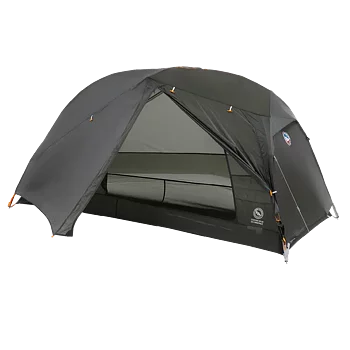
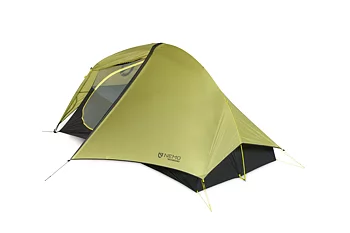
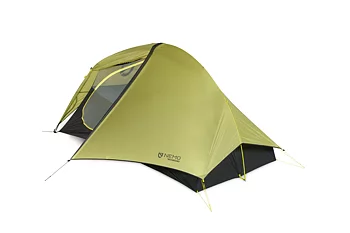
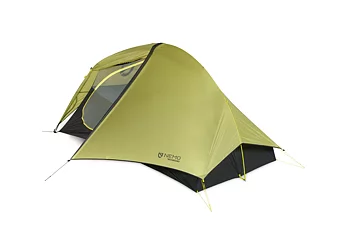
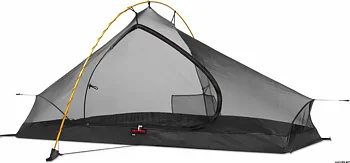
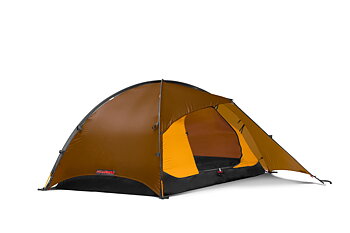
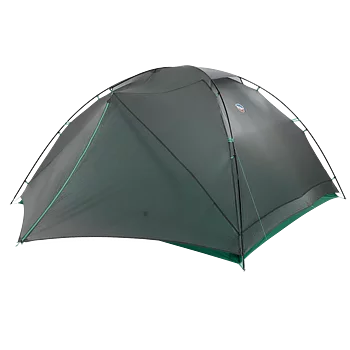
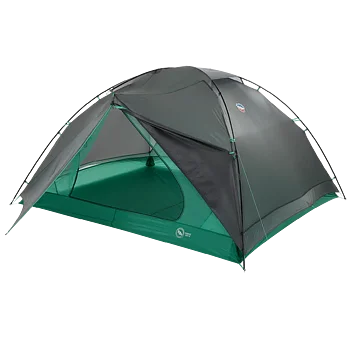
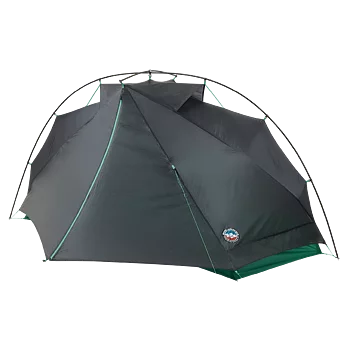
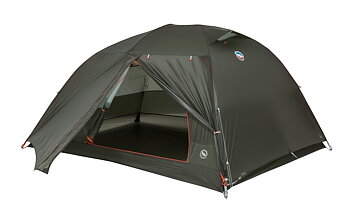
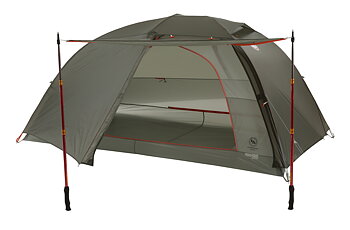
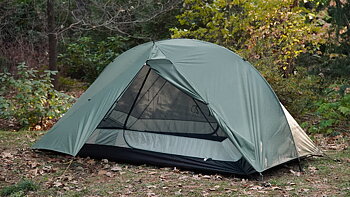
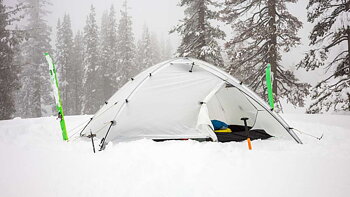
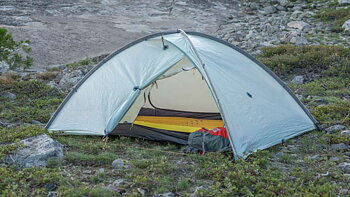
Double later tents have become the standard tent for most people. The reasons of course being they are easy to setup, usually stable and they give an extra feeling of protection. The double layer tent is the main stay of the hiking community and market. These however tend to be heavier, if not much smaller and less adaptable than other tents and shelters. However, double walled tents are getting lighter and lighter and now a solid double wall tent can weigh as little as 700grams or less making them a viable solution for many traditional backpackers looking to lighten their loads without losing their sense of security.
Single layer tent or Tarptent
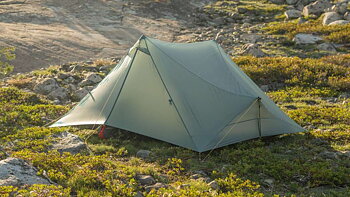
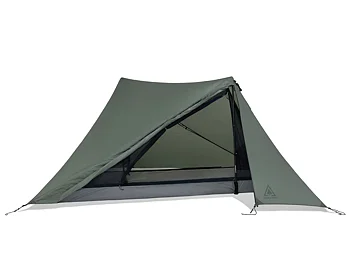
After the double layer tent comes the single layer, these tend to be lighter than the double layer but still have the general drawbacks of the double layer: Heavy and not very adaptable. I will however say that single layer shelters are damn nice in certain climates and conditions. They offer excellent bug protection, as they are completely sealed and warmer than most other solutions as they do not allow a lot of wind flow. Single layer tents biggest drawdown is the condensation.
The Flat Tarp
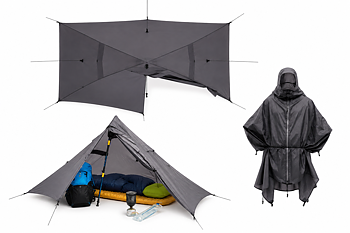
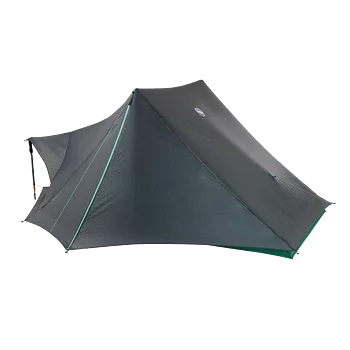
The flat tarp is by far the most adaptable of all shelters as it can be used in a number of different configurations from just rain protection to full 360 coverage depending on your own creativity in setting up. The problem being of course that setting up a flat tarp requires skill and practice as compared to just about any of the other available shelter systems. Most people just tie a flat tarp up between two trekking poles or trees and steak out the guy lines. I would suggest checking out YouTube and reading other blogs with regards on the different setup possibilities. As Andrew Skurka so brilliantly describes in his book the Ultimate Hikers gear guide
"In skilled hands, a flat tarp is like a sheet of flat paper to an origami genius"
Floorless shelter or Pyramid style tarp
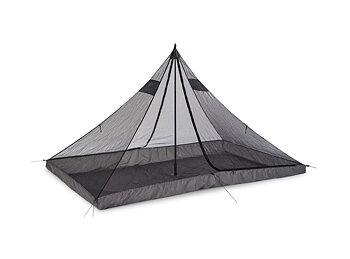
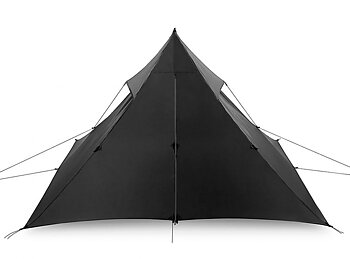
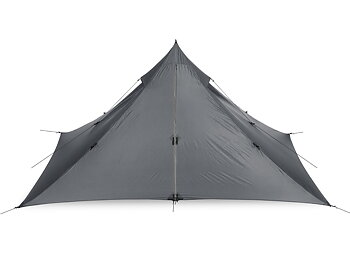
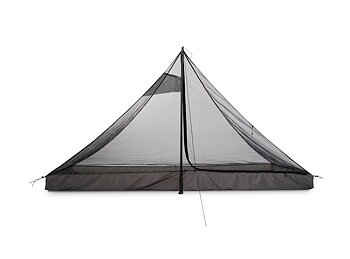
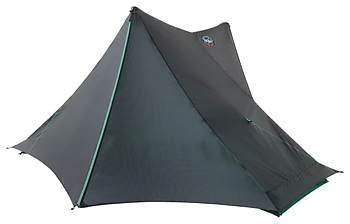
As the name would suggest the mid is a tarp shaped like a pyramid. Usually with a pole in the middle and fully enclosed. There are of course different variations of this, but for simplicity sake, I will just assume a pyramid tarp is a pyramid with a single peak. These tarps tend to be floorless and can only be set-up in a single manner. (As compared to a flat tarp that is limited only by your imagination). I find that that pyramid tarp has excellent wind and weather protection as well as the lightest full protection/weight ratio. Meaning that a simple pyramid tarp will offer the most protection and space for the weight in comparison to other shelter systems.
What are you needs
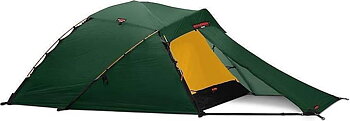
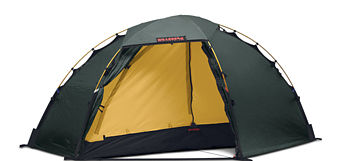
When deciding upon which tent to purchase, figure out what your needs might actually be. When and where do you normally hike? If most of your hikes are winter expeditions than perhaps something like the Hyperlite mountain gear Ultamid 4 might be your best bet. While the HMG Ultamid is a great year round tent, the pricing and size might put a lot of people off. It’s a big investment. If however, most of your hikes are three season hikes in the Northern landscapes than a flat tarp might not give you enough protection and the Ultamid is too expensive. Than a more functional tent for your needs could be the Sierra designs High route FL, Hilleberg enan or just about any Tarptent.
One thing that you can be certain about is that there is no perfect tent for all people and uses. A good example of this is the PCT (pacific coast trail) in the USA stretching from the Mexican border, running through the United states and ending in Canada. There are thousands of hikers that take the plunge every year and attempt to make the journey. The exact same trail and conditions for all who partake on it. However, thousands of different tents. Why? Why doensn’t everybody use the Zpacks Duplex? Which is the lightest two man tent available at around 550grams. Why are the big agnes tent that are usually twice the weight the most popular?
The answer is simple: What works for one person might not work for another.
Trekking poles or not
Another factor to keep in mind when choosing a tent is whether or not you use trekking poles. If you use trekking poles than buying a tent that uses separate tent poles for setup is a waste of space and weight. There are many lightweight and ultralight tents that use trekking poles for setup. This gives your trekking poles dual functionality in your base weight. If however, you don’t use trekking poles, than buying and carrying them simply to setup a tent is a pointless venture in itself.
Freestanding or traditional
Hunters and Kayakers prefer freestanding tents with dual entry and exits. This is because they are not always guaranteed a perfect campsite in the most optimal of conditions. For most hikers though, freestanding is not really necessary as they tent to be more expensive, heavier and smaller for the weight.
A good guideline is to keep your total tent/shelter weight to around or under 1 kilo per person hiking
In conclusion:
Buying a tent much like buying gear in general is a personal experience. You have to find and buy the gear that works best for you. A general guideline is to keep the tent at around 1 kilo (2.2-lbs). Also, know where you will be camping, there is no such thing as the one tent for all trips. For 99% of your trips a floorless, single wall shelter is probably more than adequate. In my younger days I loved having a floorless shelter, however that has changed as the double walled traditional tents have gotten lighter. These days, with the exception of a flat tarp, I prefer a proper, single or double walled fully enclosed shelter with floor with a maximum weight of 1.2 kilos though usually much lighter.
Also, don't be afraid to check out and purchase different gear, usually the resell value on a good shelter from the smaller producers don't lose much if any value. If anything, they gain value because the wait time is non-existent. Buy gear, try it and if it doesn't work for you, sell it.