
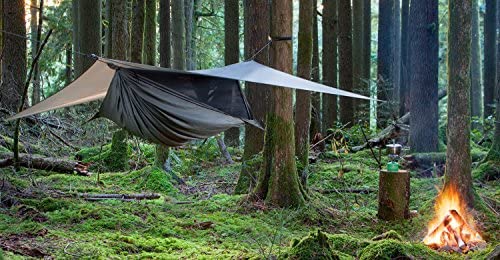
Introduction to Hammock
Sleeping in the air with a wonderful view of the landscape around you can truly be a joyful experience, but there is a jungle of information out there especially for those of you who are just getting started with hammock camping. Below we have listed some tips and tricks to make your hammock hiking experience more enjoyable. It gives the beginner some solid information to start with, and for those of you who are already a part of the hammock tribe we hope to provide some new and helpful tricks to better your experience.
Which Hammock is for you?
A hammock, like all other outdoor equipment, comes in many models, all of which have certain advantages and limitations. To get the most out of your hammock experience there are two numbers you need to keep in mind, the hammock's maximum weight capacity (kg) and the length (cm). You want to weigh at least about 10-15 kg less than the hammock can handle. Otherwise the fabric may start to stretch, which reduces comfort and puts the material at risk of breaking. The length is more a question of personal taste, you should definitely fit lying flat, but after that it's all about your own preferences and needs. When it comes to shapes there are traditional hammocks, asymmetrical ones and moore goofy options where you lay at an angle against your ridgeline. Asymmetrical designs require a bit more fabric, and can therefore be heavier but this is not true for all brands. There is also the option of double or single layer. A double layer hammock has a pocket where you can slide in a sleeping pad, which prevents it from sliding around when you get in and out of the hammock. The double layer models also have a higher maximum weight capacity. But, more fabric means more weight for you to carry on your back and a larger packed volume.
What you need for a good hammock experience:
- Hammock
- Suspension straps
- Mosquito net
- Tarp
Before you go on a trip
Do a trial pitch of your hammock system in your own backyard or a small first nearby. Make sure you understand how all the parts work and try it out. You may find that you need something extra, for example a pillow or a strap that allows you to attach your sleeping bag to your sleeping pad so that they don’t slide around.
Is it really stable?
Hammocks intended for outdoor life are designed to keep you safe in both harsh weather and wind. Some models have so-called "stabilization ropes" that hold the hammock in place and make sure you can’t spin around. These are made up out of two strings that are attached from the middle of the hammock down to the ground. This design is often seen in asymmetrical hammocks and are quite common in brands such as Hennessy hammock. Stabilization ropes also make it easier to keep your bedding organized and simplify the whole getting in and out of the hammock process. If you don’t want stabilization ropes but still want to feel safe when you twist and turn, choose a model with slightly higher edges.
Choosing thick enough trees for pitching the whole system is also important. If the tree bends a little or leans against your hammock after hanging, you will probably have a night with the risk of a little seasickness. A thicker birch tree or a nice pair of pines with about 3m intervals between usually works fine, depending on the length of your hammock.
Where do I store my equipment?
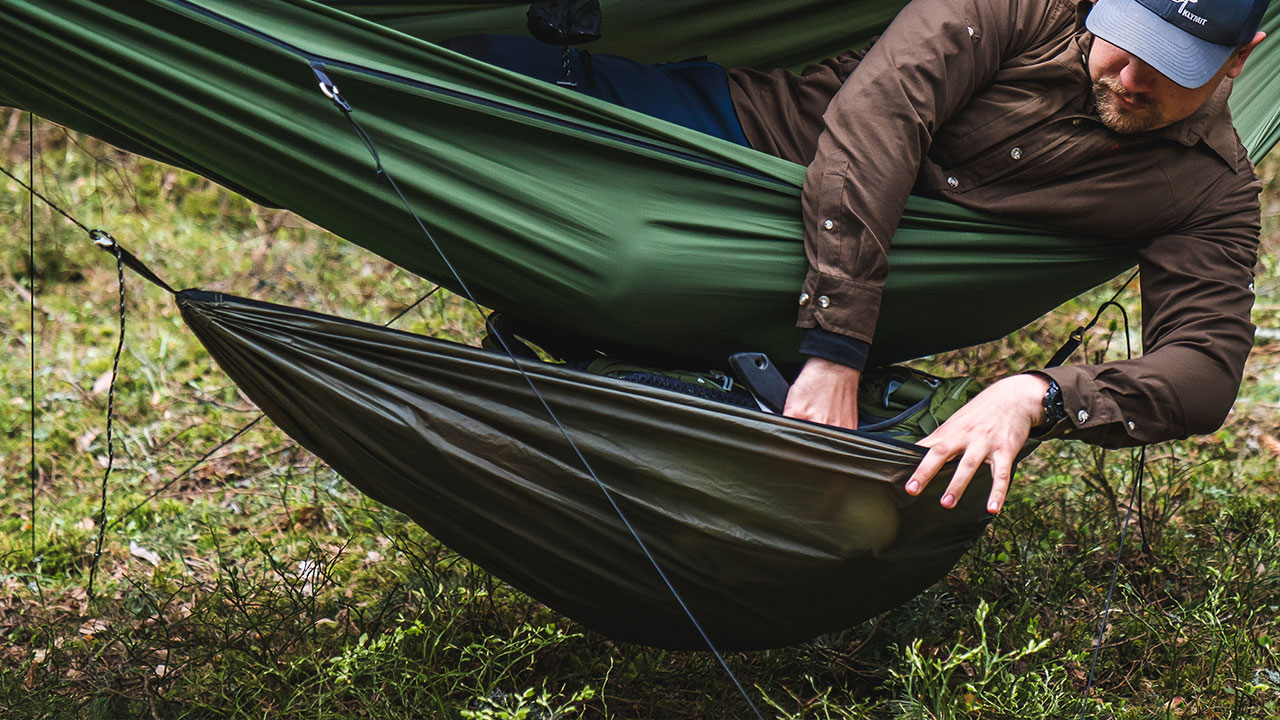
If your hammock has a ridgeline, you can use this to store things you want close at hand. Small carabiners can be used to hang gloves, headlamps, water bottles and other small items. There are also special hammock organizers intended for storing valuables. They are usually small pockets with zippers that hang from the ridgeline using small hooks or knots. Iif you don’t want to carry the extra weight of an organizer, you can also unhook the hipbelt from your backpack and hang that in the ridgeline instead. Some hammock systems with ridgelines also have the option of a gearloft, this works as a small storagespace ove the footend of your hammock. There are also gear slings, they look a little lika a tiny hammock that you hang underneath yourself. These are great for hammocks that don’t have a ridgeline and most models can fit your whole backpack. Safe and sound from moist and animals that may roam the ground beneath you.
What about rain, and the mosquitos?
Hammocks are great when it rains, the moisture on the ground is not a problem for you in your levitating tent, just make sure to attach the tarp properly so that the water is kept away from your camp. Many hammocks have incorporated mosquito nets, which are often attached to the hammock with a zipper. These models protect you from mosquitoes from above. Other models have a sock-shaped mosquito net that you pull out from one end to the other, to cover the whole hammock. These protect against mosquitoes and insects from all directions. If you choose a model that has a zipper net, it is a good idea to put a sleeping mat in your hammock. Otherwise the little bastards can bite through the fabric on your back. Another alternative is to choose a hammock with a thicker fabric or to treat the material with an insect repellant, then they usually stay away.
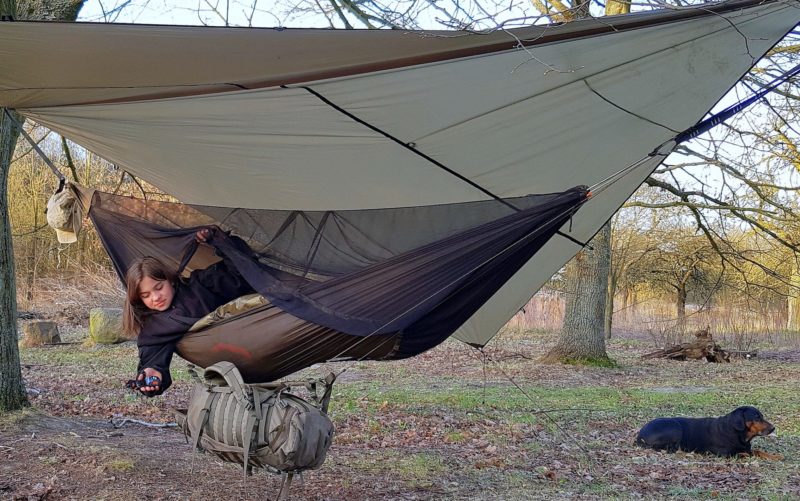
Removable mosquito net, Bushmen

Attached mosquito net with zipper, Hennessy Hammock
Similar to tent camping, location is everything. The hammock does spare you some of the struggle with condensation, but your sleeping bag can still get moist. If you are near a lake or a stream, the air will be a bit more moist in the morning. To tackle this issue simply put a bivvy bag around your sleeping bag. This will keep the moisture out, and they take up very little space in your pack. If you are camping without a tarp it is extra important to choose a place that is a little sheltered from the wind, as the wind can make the temperature feel even colder.
Sleeping pad in the hammock?
Some hammocks are so-called double layer, they have a pocket where you can insert your sleeping pad. This provides increased stability, as well as protection against cold temperatures and wind from below. It’s of course possible to just lay the sleeping pad inside the hammock as well. A sleeping pad can also help with the issue of “chin-chafing”. This is an uncomfortable chafing feeling created by the tension in the fabric at the end of your hammock. Some hammock users don't struggle with this at all, while others find it most annoying. Other ways to counteract chin- chafing is to choose an asymmetrical hammock. In these types of hammocks you can adjust your sleeping shape more freely.
There are also sleeping pads that are specifically designed for hammocks. These types of sleeping pads have higher edges that go up on the side of your body to protect you from wind. An inflatable sleeping pad is a classic when it comes to comfort, if you choose one that is insulated you will have an even better experience during spring and fall season.
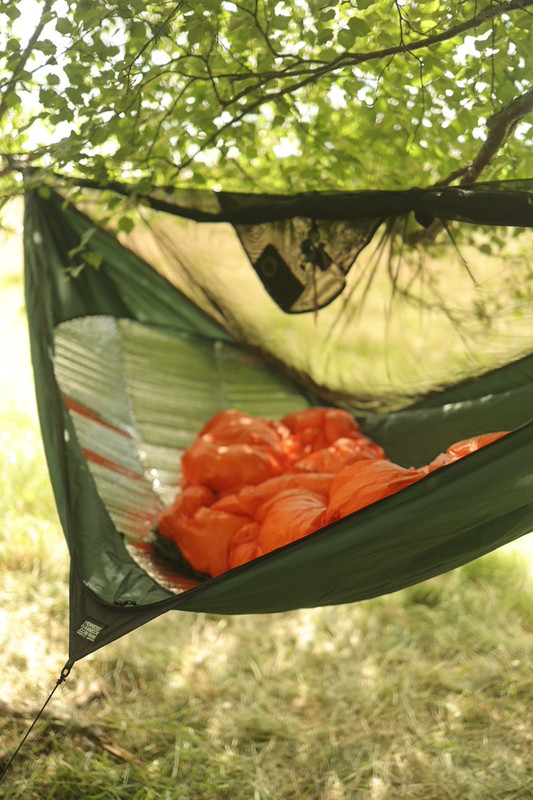
Double double pad, Hennessy Hammock
How do I pack my backpack?
All hammocks come with storage bags. There are also some smart solutions intended to optimize your experience by packing several components together. Snakeskin is an elongated, often waterproof, storage bag that allows you to easily pitch your hammock without worrying about water or dirt. Once you have attached your ropes to the trees, simply pull the snakeskin aside and voila, there's your hammock ready for use. Since the case is waterproof, you can also choose to store snakeskin on the outside of your backpack, which gives you more packing options.
There are also slightly oversized snakeskins, these are meant to accommodate your entire setup with both sleeping bag / quilt and underquilt. The advantage of this is that it takes minimal time to pitch your camp. The gear is already attached and packed together as one piece, which saves you the time and trouble of adjusting each part separately every time you want to make camp. The downside of the oversized snakeskin is that they take up a little more space in your backpack, since not all parts are compressed to the max.
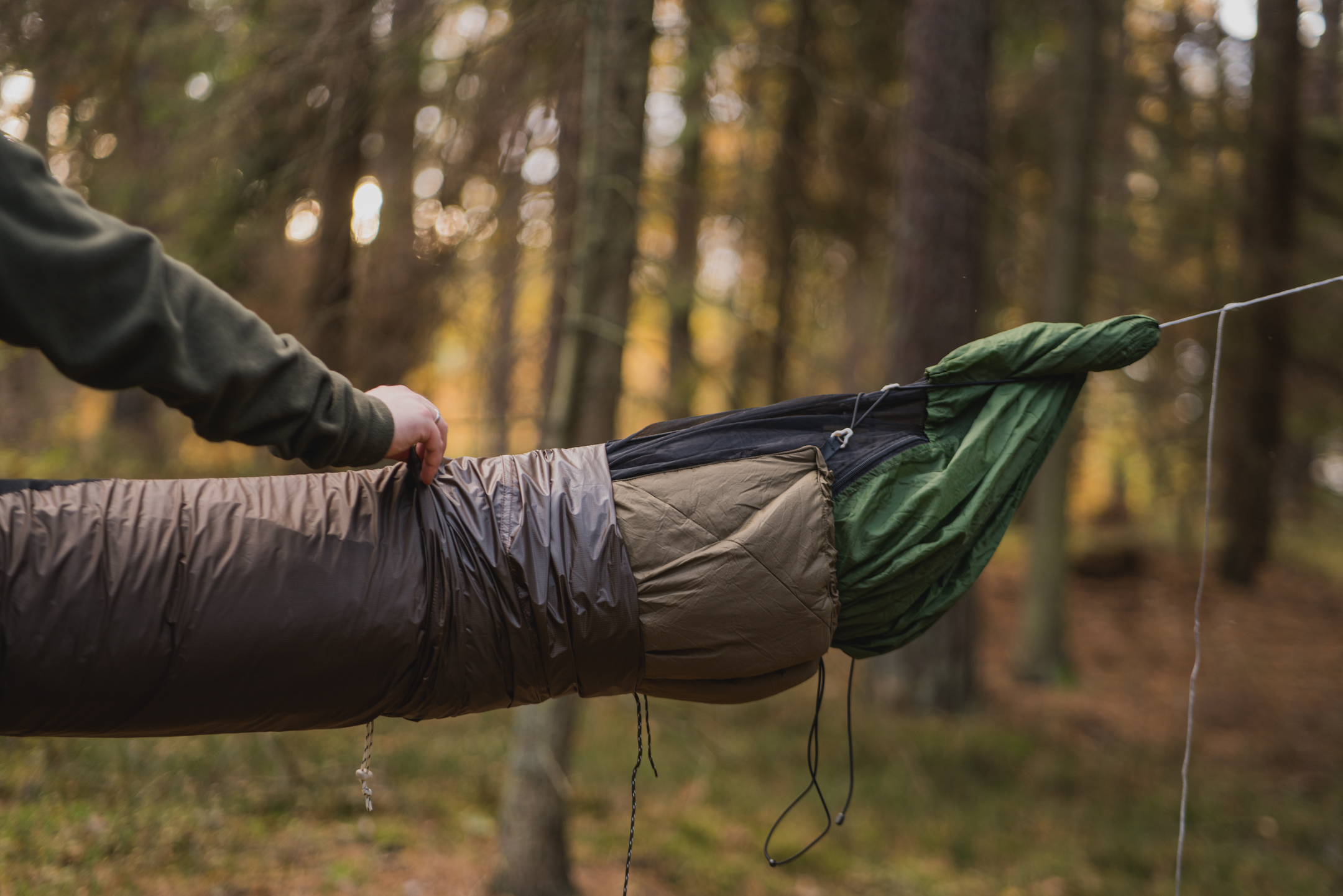
Lesovik LARVA Stuff sack, Oversized Snakeskin
Inflatable sleeping pads are easy to roll or fold, and they fit nicely in all backpack. The sleeping pads that are specially made to provide wind protection from the sides are a little larger, and therefore take up more space. However, depending on how you pack your gear these models can be helpful little companions. By rolling them loosely and standing them up at the bottom of your pack, they can provide extra stability as an internal frame. 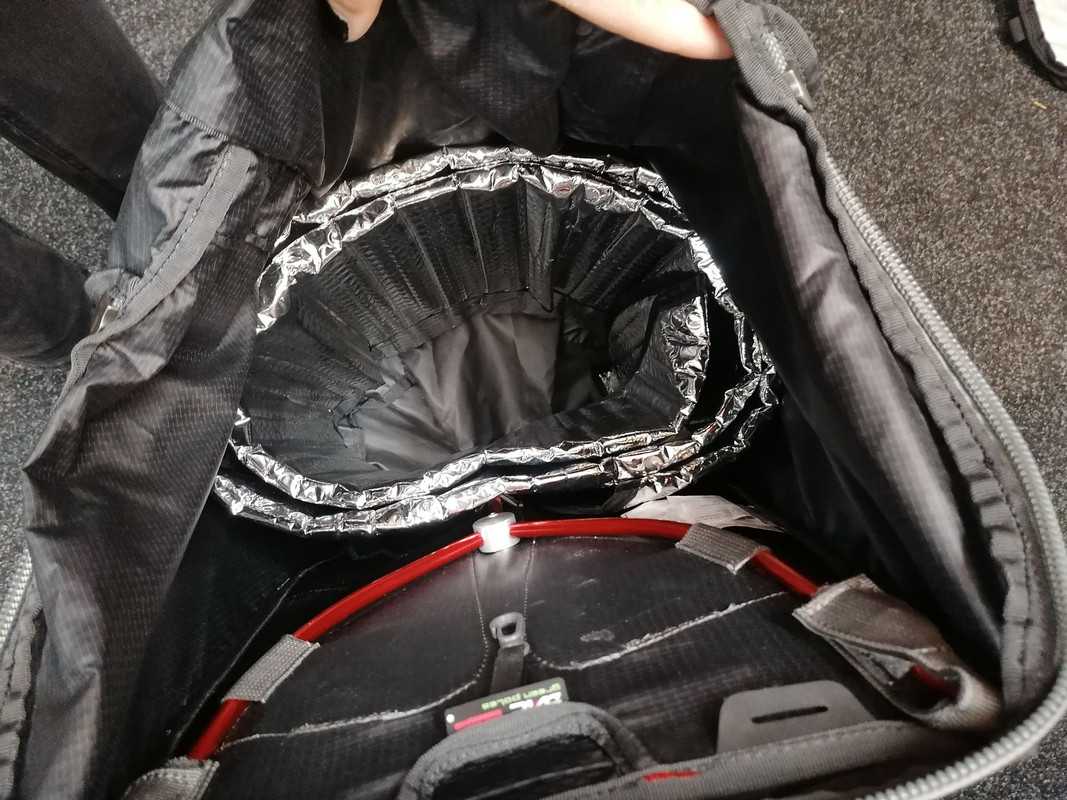
Tarp
The tarp is your portable roof and your best friend in stormy weather. If pitched correctly, it protects your camp from both wind, snow and heavy rain. Tarps come in different shapes and sizes, rectangular, asymmetrical and so forth. The important thing is that the tarp covers the entire length of your hammock, and that the width of it is enough to cover the sides of your hammock when the edges of the tarp are pulled down towards the ground. Since the trap is your roof it is important that all the seams are sealed properly, if it is not seam sealed upon purchase this is something you have to do yourself.
If you want tips on how to seam seal like a pro, check out our handy guide
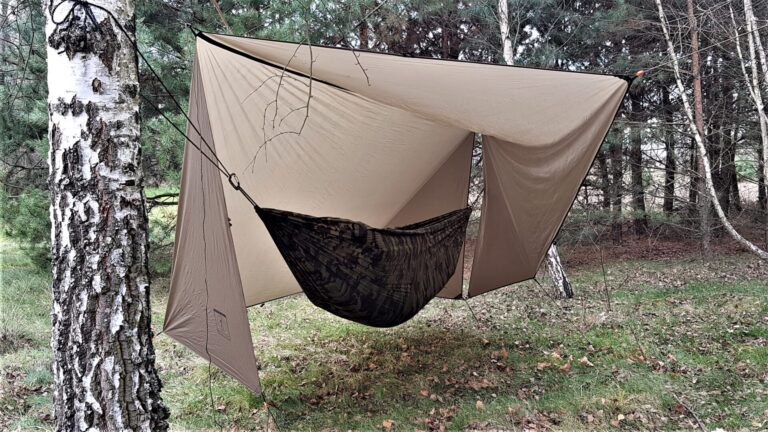
A rectangular tarp gives you several pitching options, this setup provides wind protection from several angels. Bushmen Tarp 3 x 4
An azymetrical tarp gives you protection from above and along the lsides, pitched here in the classic A-shape. Hennessey Hammock
Winter camping, is it doable?
Hammocks may be associated with warm summer nights and starry skies, but they also work great in fall and winter! You just need to pack smart and add some insulating elements to your equipment. When you lie in a hammock, your entire back and the sides of your body are exposed to the elements. Protecting yourself from the cold wind is therefore very important. Keep in mind that when you sleep in the hammock, the surface of the fabric will be the same temperature as the air. If it is -2 ° in the air, this is the temperature you will have under your body and against your back, regardless of the temperature of your sleeping bag. This is because when you lie in your sleeping bag, the filling is compressed under your weight. To tackle this problem, an underquilt is used. The underquilt is made of sleeping bag material, down or synthetic, and is attached underneath your hammock. Underquilts, just like sleeping bags, have different temperature values, matching the temperature of your sleeping bag is a good starting point when choosing underquilts.
Check out this video from Bushmen for some tips and trix when it comes to adjusting your underquilt:
To cope with the wind, and part of the cold, there are special sleeping pads that go up on the side of your body and at the same time protect the entire underside. It is important here to choose a sleeping pad that works in two ways, it should reflect the cold away and reflect your heat back towards you, a so-called double reflective sleeping pad.
We hope you found these tips and trix helpfull, and as always our customer service is here to answer any questions you may have. Best of luck on your hammock adventure, Hang loose!