
Backpackinglight · Guide
Backpacks for women – choosing the right fit for hiking
A women's or unisex label can help you find candidates, but it does not replace trying them on. What matters is how the loaded backpack fits your body.
Start with torso length, then check the shoulder straps, sternum strap and hip belt together. Body shapes vary, even among people of the same height.
1. Measure torso length first
Use the manufacturer's measuring instructions. A back panel that is too long or too short can position the load incorrectly and create pressure that other adjustments cannot resolve. Try several sizes if you fall between two.
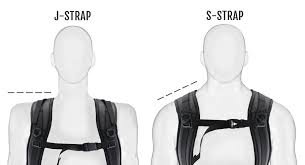
2. Try the shoulder strap curve
S-shaped straps may suit some bodies better, while others feel more comfortable with a straighter curve. Check the space around your bust, neck and armpits. Do not assume the same strap shape works for all women or that a unisex model is automatically wrong.
3. Check the sternum strap and hip belt
- You should be able to position the sternum strap comfortably without restricting breathing or causing pressure.
- The hip belt's shape and circumference should suit your body under load.
- Check that there is adjustment range left and that the straps are not already fully tightened.
- Try both thin and thicker layers if you will use the pack across several seasons.
4. Compare models with an open mind
Some backpacks that work well for women are the Osprey Eja, Durston Kakwa, Gossamer Gear Mariposa and Gorilla, and Hyperlite Mountain Gear. Use them as examples to compare, not as a ranking. Straps, torso lengths and hip belts can change between versions.
A vest-style harness may feel comfortable to some and restrictive to others. Test the sternum strap placement and load distribution before choosing this type of suspension system.
5. How to try it on
- Choose the right torso length and pack the backpack with your planned load.
- Adjust the hip belt and check where the shoulder straps meet your body.
- Move the sternum strap until it sits without discomfort.
- Walk, bend and stretch your arms.
- Compare at least one other model before deciding.
About this guide
This guide has been restructured from the previous fit article. General claims about what all women need or how a manufacturer recently changed its straps have been replaced with individual fitting advice. The model names come from the original and do not imply verified availability or identical construction in every model year.