
Examples of how you can reduce the weight of the big three
To make the principle behind the Big Three more concrete, let's look at an example. Many hikers start with equipment that is robust and reliable, but often weighs more than necessary. By replacing one or two of these products, you can quickly reduce the weight of your pack without compromising comfort or safety.
Below are some examples of what modern lightweight equipment can look like today.
Tents
While a classic tent like the Hilleberg Akto is a very good and reliable tent, there are now much lighter alternatives that work just as well for many three-season hikes. Developments in materials and design have meant that modern tents can weigh around 500-600 grams.
A good example is the Durston X-Mid Pro. It is a trekking pole tent built in Dyneema Composite Fabric (DCF), a material that combines very low weight with high strength and good weather protection. The tent weighs around 500-600 grams depending on the model and has become very popular among long-distance hikers thanks to its smart construction and low weight.
For more options, you can also explore our range of lightweight tents.
That said, you don't necessarily have to change your tent straight away. If your tent weighs around 1.6 kilograms, it can still work just fine - sometimes reducing the weight of your sleeping system or backpack is enough.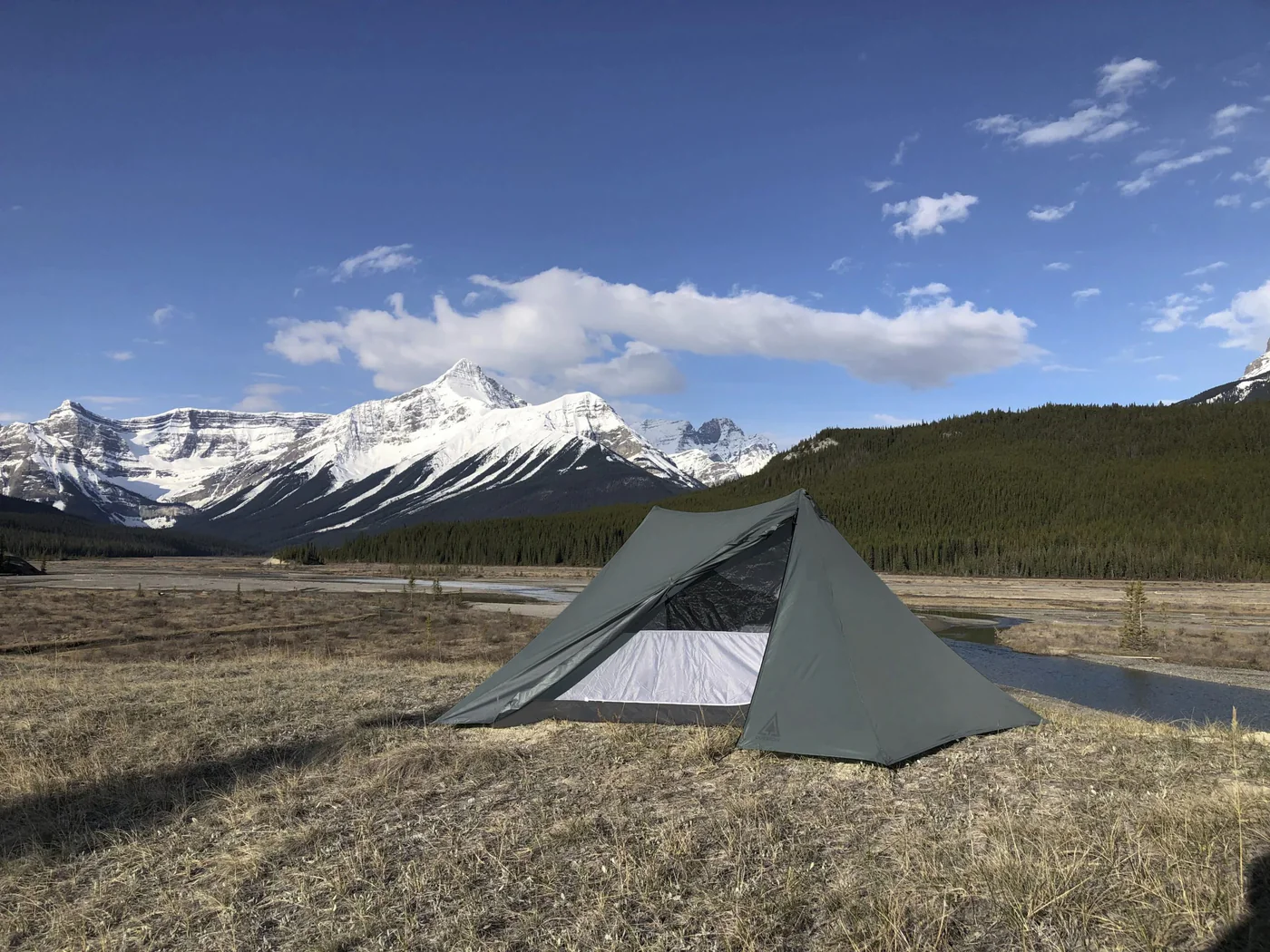
Sleeping system
A sleeping system of around 2 kilos is not uncommon, but it often consists of a summer sleeping bag and a simple sleeping pad. This can work well on warm nights, but as temperatures start to drop, comfort quickly deteriorates.
A modern alternative is, for example, Enlightened Equipment Enigma. It is a quilt, i.e. a sleeping bag without a zipper and without insulation on the underside. Since the insulation is still compressed when you lie on it, you save weight without losing heat where it is needed. A three-season Enigma often weighs around 500-600 grams.
Together with a sleeping pad like the Nemo Tensor Elite Regular Wide you get a very light but comfortable sleeping system. The wider model provides more sleeping comfort while still keeping the weight low, around 400 grams.
Together, such a sleeping system can weigh less than a kilogram, while keeping most hikers warm for three seasons.
Example: keep the tent but upgrade the sleeping system
Let's say you're happy with your tent and just want to replace your sleeping system.
Your packing might look like this:
Tent: Hilleberg Akto - 1.6 kg
Sleeping system: Enlightened Equipment Enigma + Nemo Tensor Elite Regular Wide - approx. 1.0 kg
Total weight: approx. 2.6 kg
Already here you have saved almost a kilogram, while often improving comfort.
If you also change tents
If you then decide to switch to a lighter tent, the list might look like this instead:
Tent: Durston X-Mid Pro - approx 550g
Sleeping system: Enlightened Equipment Enigma + Nemo Tensor Elite Regular Wide - approx. 1.0 kg
Total weight: about 1.55 kg
Now you've dramatically reduced the weight of your Big Three.
The points
When you start working with the Big Three, you quickly realize how much difference they make. The hardest part is often not the equipment - but taking the step to start thinking lighter.
For many years, hiking culture has been characterized by the idea that heavy packing is a good thing. In reality, the opposite is often true.
The less weight you carry, the longer and more enjoyable you can hike.